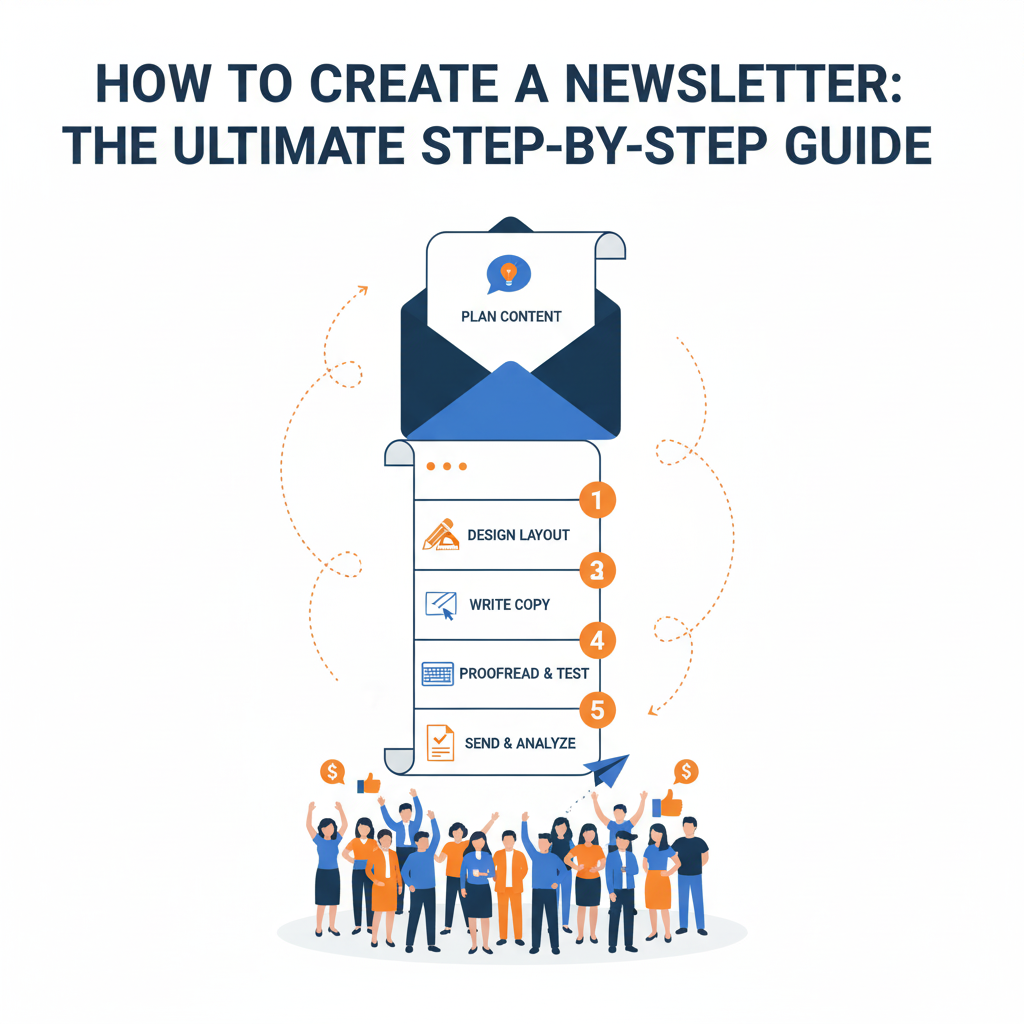
How to Create a Newsletter: The Ultimate Step-by-Step Guide
Introduction
In the fast-evolving digital marketing landscape, email newsletters remain one of the most powerful tools for nurturing relationships, driving engagement, and building brand loyalty. Despite the explosion of social media and other digital channels, newsletters consistently deliver higher ROI — often returning $36 for every $1 spent.
But creating a newsletter that truly connects with your audience and delivers measurable results isn’t as simple as writing a few paragraphs and hitting “Send.”
It requires a clear strategy, strong content, clean design, and continual optimization.
In this comprehensive guide, we’ll walk you through everything you need to know about creating a successful newsletter — from planning and audience research to copywriting, design, sending, and performance tracking.
1. Understanding What a Newsletter Is
A newsletter is a recurring email sent to a list of subscribers who have opted in to receive updates, insights, or offers from your brand.
It’s typically used to:
-
Share company news or product updates
-
Educate readers with valuable content
-
Promote offers, events, or sales
-
Build brand awareness and trust
-
Drive traffic to a website or blog
Unlike promotional emails, a newsletter aims to build long-term relationships by offering consistent value — not just pushing products.
2. The Benefits of Sending Newsletters
📈 1. Builds Direct Connection with Audience
Unlike social platforms, email is owned media. You control the communication without relying on algorithms or ads.
💰 2. Delivers High ROI
Email marketing remains one of the most cost-effective channels. A well-planned newsletter can drive consistent revenue and retention.
🤝 3. Builds Trust and Loyalty
Regularly showing up in your audience’s inbox with useful content builds brand authority and emotional connection.
🔁 4. Encourages Repeat Engagement
Newsletters remind customers that your brand is active and valuable, encouraging repeat visits or purchases.
📊 5. Offers Measurable Results
Open rates, CTRs, and conversions give clear insights into audience engagement and campaign performance.
3. Defining Your Newsletter Goals
Before you create a newsletter, define why you want to send it.
Common goals include:
-
Increasing website traffic
-
Building brand awareness
-
Driving product sales
-
Nurturing leads
-
Educating customers
-
Promoting content or events
Example:
-
Goal: Increase website traffic by 25% in 3 months.
-
Metric: Track referral traffic from newsletter links via Google Analytics.
-
Action: Include 2–3 blog post links in each newsletter.
Having a clear purpose helps determine your content strategy, design, and frequency.
4. Identifying Your Target Audience
A newsletter is only as good as its relevance to the reader.
To create engaging newsletters, you must understand who your subscribers are.
Steps to Define Your Audience:
-
Analyze existing customers – Demographics, behaviors, and pain points.
-
Create audience personas – Define segments (e.g., beginners, loyal customers, prospects).
-
Use sign-up forms strategically – Include fields for interests or preferences.
-
Segment your list – Send different content to different audience types.
Example:
-
Segment 1: New leads – educational emails
-
Segment 2: Repeat customers – exclusive offers
-
Segment 3: Inactive users – re-engagement campaigns
5. Choosing a Newsletter Platform
A reliable email marketing tool is essential for creating, designing, automating, and tracking your newsletters.
Popular Newsletter Platforms:
-
Mailchimp – Beginner-friendly, templates, automation.
-
ConvertKit – Ideal for creators and bloggers.
-
ActiveCampaign – Advanced automation and CRM integration.
-
Brevo (Sendinblue) – Great for small businesses.
-
HubSpot Email Marketing – Powerful analytics and CRM tools.
-
Klaviyo – Perfect for eCommerce brands.
Key Features to Look For:
-
Drag-and-drop email builder
-
Automation workflows
-
A/B testing tools
-
Segmentation and personalization
-
Analytics dashboard
-
Deliverability reputation
6. Building and Growing Your Email List
Without subscribers, even the best newsletter won’t matter.
List-building should focus on quality over quantity — only people genuinely interested in your content.
Effective Ways to Grow Your List:
-
Create lead magnets – Offer ebooks, guides, or templates in exchange for email addresses.
-
Use sign-up forms on your website – Place them in blogs, sidebars, and exit-intent popups.
-
Promote on social media – Encourage followers to subscribe.
-
Offer discounts or exclusive access – Great for eCommerce.
-
Run webinars or free courses – Collect emails through registrations.
-
Use gated content – Require email sign-up to access premium content.
Pro Tip:
Always follow GDPR and CAN-SPAM laws.
Add a clear opt-in process and an easy unsubscribe option.
7. Designing Your Newsletter Layout
The design determines readability and engagement. A clean, responsive layout encourages subscribers to scroll and click.
Design Best Practices:
-
Keep it mobile-friendly (over 60% open emails on phones).
-
Use a single-column layout for simplicity.
-
Maintain consistent branding (colors, fonts, logo).
-
Include ample white space for readability.
-
Add high-quality visuals – but keep images optimized for loading speed.
-
Always include CTA buttons (“Read more,” “Shop now,” “Join now”).
Recommended Structure:
-
Header – Brand logo and navigation.
-
Intro section – Short welcome or summary.
-
Main content – Articles, offers, or updates.
-
CTA – Encourage next action.
-
Footer – Social links, contact info, and unsubscribe link.
8. Crafting Engaging Content
Your content should be valuable, relevant, and aligned with your audience’s interests.
Each newsletter must deliver a clear takeaway.
Types of Newsletter Content:
-
Industry news or trends
-
Blog post summaries
-
Product updates
-
Case studies
-
Tutorials and guides
-
Customer stories or testimonials
-
Exclusive discounts or event invites
Writing Tips:
-
Keep your subject line short and catchy (under 50 characters).
-
Write in a conversational tone.
-
Use personalization tokens (like first name).
-
Include clear, visible CTAs.
-
Keep paragraphs short and scannable.
-
Always deliver value first, then promote.
9. Personalization and Segmentation
One-size-fits-all newsletters no longer work.
Modern email marketing thrives on personalization.
Ways to Personalize:
-
Include recipient’s name in subject or greeting.
-
Segment based on purchase history or interest.
-
Recommend products or content tailored to user behavior.
-
Send location- or event-based newsletters.
Example:
“Hey Sarah, here’s your personalized skincare routine!”
→ performs better than
“Our new skincare range is live.”
10. Setting Newsletter Frequency
Finding the right frequency is key to maintaining engagement without overwhelming subscribers.
Common Schedules:
-
Weekly (best for blogs and media brands)
-
Bi-weekly (balanced for most businesses)
-
Monthly (ideal for updates or long-form content)
Pro Tips:
-
Stay consistent — train subscribers to expect emails.
-
Use analytics to see when open rates drop (indicating fatigue).
-
Offer a frequency choice during sign-up.
11. Testing Before Sending
Even experienced marketers make mistakes.
Always test your newsletter before sending it to your full list.
Checklist:
✅ Check grammar and spelling
✅ Test all links and CTAs
✅ Preview on mobile and desktop
✅ Review images and alt-texts
✅ Send test emails to colleagues
✅ Verify sender name and email address
✅ Check spam score using testing tools
12. Analyzing Performance and Optimization
Once you start sending newsletters, monitor key metrics to measure success and refine your approach.
Key Metrics to Track:
-
Open Rate: Percentage of recipients who opened your email
-
Click-Through Rate (CTR): Percentage who clicked a link
-
Bounce Rate: Percentage of undelivered emails
-
Unsubscribe Rate: Number of people who opted out
-
Conversion Rate: Number who took desired action (purchase, signup, etc.)
Optimization Tactics:
-
A/B test subject lines and CTAs
-
Clean inactive subscribers regularly
-
Send based on user time zones
-
Optimize send times (typically mid-week mornings)
-
Refine segmentation and content based on engagement
13. Common Newsletter Mistakes to Avoid
❌ Sending without a clear goal
❌ Overloading with too much text
❌ Ignoring mobile optimization
❌ Not personalizing messages
❌ Sending too frequently (spammy)
❌ Using misleading subject lines
❌ Forgetting to analyze performance
14. Newsletter Examples to Inspire You
-
Morning Brew – Witty business news digest
-
The Hustle – Engaging storytelling and humor
-
Shopify Digest – E-commerce tips and product updates
-
Moz Top 10 – SEO trends roundup
-
Canva Design Weekly – Creative inspiration
15. Tools to Enhance Your Newsletter
-
Grammarly – for proofreading
-
Canva – for banner and image design
-
Litmus / Email on Acid – for email preview testing
-
Google Analytics – for tracking website traffic from emails
-
Zapier – for automation workflows
Conclusion
Creating a great newsletter isn’t just about sending emails — it’s about building a relationship with your audience.
When done right, newsletters can become your brand’s most valuable marketing asset — consistently driving engagement, conversions, and loyalty.
By combining strategic planning, compelling content, clean design, and data-driven optimization, you can transform your email list into a community that genuinely looks forward to hearing from you.

Author