
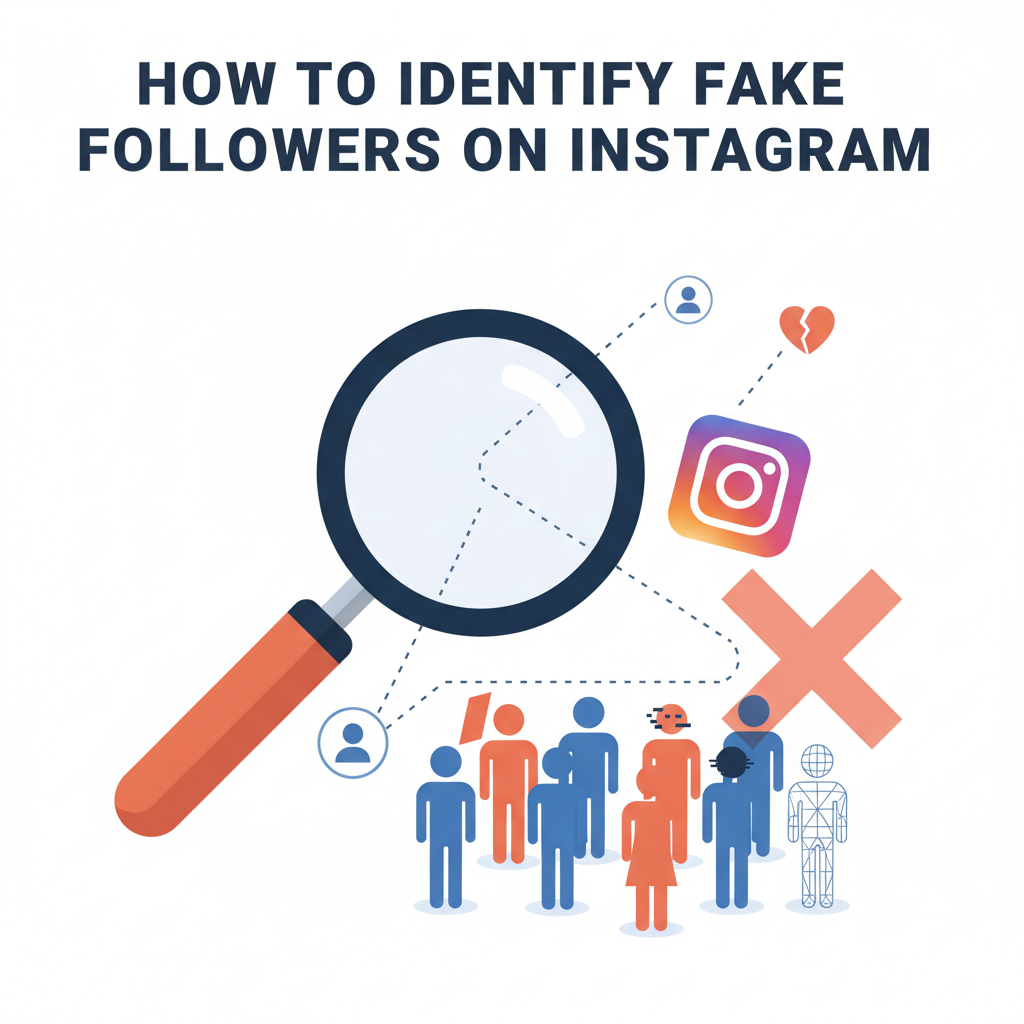
How to Identify Fake Followers on Instagram
Introduction
Instagram is one of the most influential social media platforms, boasting over 2 billion monthly active users. With this massive audience, brands and influencers see Instagram as a vital marketing channel for brand awareness, community building, and conversions.
However, as influencer marketing and follower counts became symbols of credibility, so did the rise of fake followers — bot accounts, inactive users, and purchased followers that inflate metrics but add zero real value.
Fake followers can damage your credibility, distort engagement metrics, and even reduce your visibility due to Instagram’s algorithm detecting inauthentic activity.
If you’re a brand collaborating with influencers or an influencer trying to build trust, identifying fake followers is critical.
In this comprehensive guide, we’ll explore:
-
What fake followers are
-
Why they exist
-
How to identify them manually and using tools
-
How fake followers impact performance
-
And strategies to remove or prevent them
1. What Are Fake Followers?
Fake followers are Instagram accounts that don’t belong to real, engaged people.
They can be:
-
Bots: Automated accounts programmed to like, follow, or comment.
-
Inactive users: Real people who signed up but no longer use Instagram.
-
Purchased followers: Accounts bought from third-party services to artificially inflate follower counts.
-
Mass-followers: Accounts that follow thousands of people hoping for follow-backs.
These accounts might look legitimate at first glance, but they typically have no engagement, poor content, and unrealistic activity patterns.
2. Why Do Fake Followers Exist?
There are several reasons why fake followers exist and thrive:
1. Vanity Metrics
Some influencers and brands buy followers to make their profiles look more popular, believing that big numbers build social proof.
2. Fraudulent Influencer Marketing
Certain influencers use fake followers to attract brand deals.
They appear influential, but their engagement doesn’t translate to actual reach or conversions.
3. Bot Activity
Automation tools create fake accounts to like or follow others automatically, often as part of spam or phishing schemes.
4. Malicious Intent
Competitors or spammers might flood your account with fake followers to harm your engagement rate or flag you for suspicious activity.
3. The Hidden Risks of Fake Followers
Having fake followers may seem harmless, but it comes with long-term consequences:
🚫 1. Low Engagement Rate
Fake followers don’t interact with your posts — meaning your engagement (likes, comments, shares) plummets even if your follower count looks impressive.
🧮 2. Misleading Analytics
You’ll get inaccurate insights, making it hard to track genuine audience interests or performance metrics.
🤖 3. Reduced Reach
Instagram’s algorithm rewards authentic engagement. A high percentage of inactive followers tells the system your content isn’t relevant — limiting your reach.
💸 4. Loss of Brand Trust
Brands and agencies use authenticity-checking tools before collaborations. A fake follower base can instantly ruin your credibility.
⚠️ 5. Risk of Account Suspension
Buying followers or using automation violates Instagram’s Terms of Service, and repeated violations can lead to account bans.
4. How to Identify Fake Followers (Manual Checks)
There are clear indicators that can help you manually spot fake followers.
If you’re auditing your own followers or checking an influencer’s profile before a collaboration, look for the following signs:
🔍 A. Profile-Level Red Flags
1. No Profile Picture or Generic Image
Fake accounts often use no image or stolen stock photos.
2. Unusual Username
Fake accounts often have random combinations of letters and numbers like:
@john_93827,@instauser_001, or@xoxo_love_897
3. Empty or Irrelevant Bio
A vague bio (“Follow back pls!” or “Love life 💕”) or one filled with emojis and no real context is a red flag.
4. Low or Zero Posts
Most fake followers have few or no posts — often with poor image quality or repetitive content.
5. Mass Following, Few Followers
Example: Following 7,000 accounts but only 50 followers.
This is a strong sign of spam or follow-for-follow bots.
💬 B. Engagement-Level Red Flags
1. Irrelevant or Generic Comments
Fake followers may comment things like:
“Nice pic!” “Cool!” “🔥🔥🔥”
on completely unrelated posts.
If every comment sounds robotic or off-topic, it’s suspicious.
2. Low Engagement Despite High Follower Count
If an account has 50,000 followers but only gets 300 likes and 5 comments, it’s likely inflated.
3. Sudden Follower Spikes
A sudden increase of thousands of followers overnight, without a viral post or media feature, suggests purchased followers.
4. Engagement Pods
Groups that exchange fake likes/comments to boost visibility.
You can often spot them if the same few accounts comment on every post with similar phrases.
🧑💻 C. Behavior-Level Red Flags
1. No Story Views
Real followers engage with stories regularly. If your story view count is low compared to your follower count, many may be inactive or fake.
2. No DMs, Mentions, or Saves
Real audiences occasionally message or save content. If you never receive these actions, that’s suspicious.
3. Audience Location Mismatch
If your brand targets India, but your audience analytics show 60% followers from random countries like Turkey or Russia — that’s a red flag.
5. Analytical Methods to Detect Fake Followers
Beyond visual cues, marketers should use data-driven methods to identify fake followers.
📊 1. Engagement Rate Analysis
Formula:
Engagement Rate = (Likes + Comments) ÷ Followers × 100
Average engagement benchmarks:
-
Nano influencers (1K–10K): 4–8%
-
Micro influencers (10K–50K): 2–4%
-
Macro influencers (50K–1M): 1–2%
-
Celebrities (1M+): <1%
If engagement rate is too low (<1%) or unnaturally high (>10%), it’s suspicious.
🧭 2. Audience Demographics Audit
Use tools like Instagram Insights or analytics platforms (see section 7).
Check if follower demographics align with expected audience:
-
Location (relevant countries)
-
Gender ratio
-
Age group
-
Interests
If they don’t match your niche, fake followers may be skewing your metrics.
🕐 3. Growth Pattern Tracking
Analyze follower growth over time.
-
Healthy growth: gradual and consistent.
-
Fake growth: sudden spikes followed by drops (as fake accounts get deleted).
6. How to Remove Fake Followers
Cleaning your account regularly ensures healthy engagement and better reach.
🧹 Step-by-Step Cleanup:
1. Manually Remove Fake Accounts
Go to the follower list → Tap “Remove” beside suspicious profiles.
2. Block and Report Bots
If the same account keeps interacting suspiciously, report it to Instagram as spam.
3. Use a Third-Party Cleaning Tool
Tools like HypeAuditor or Modash help identify inactive or fake accounts.
You can remove them in bulk (carefully — avoid deleting too fast to prevent suspicion).
4. Stop Buying Followers
Purchased followers not only ruin your metrics but also attract more bots.
5. Encourage Real Engagement
Run polls, story questions, giveaways, and Q&As to interact with real users.
7. Best Tools to Detect Fake Followers
These tools can analyze accounts for authenticity and provide detailed reports:
| Tool | Features | Ideal For |
|---|---|---|
| HypeAuditor | AI-based audit, engagement tracking, follower authenticity score | Brands & agencies |
| Modash.io | Influencer authenticity reports, audience demographics | Influencer marketers |
| Social Blade | Growth trend analysis, follower tracking | General analytics |
| FakeCheck.co | Simple authenticity detection | Quick checks |
| IG Audit | Free fake follower detection | Small businesses |
| Upfluence | Influencer analytics and vetting | Brand collaborations |
8. How Brands Should Check Influencers for Fake Followers
Before collaborating with influencers, always vet their followers.
Key Steps:
-
Ask for engagement reports from influencers (screenshots of insights).
-
Use audit tools to verify authenticity percentage (e.g., 85% real followers).
-
Review comment quality manually.
-
Look at story engagement rates — authentic influencers get consistent story views and interactions.
-
Check follower growth graph — steady > sudden spikes.
-
Review mutual followers — real communities often overlap within a niche.
9. How to Prevent Fake Followers in the Future
✅ Proactive Measures:
-
Avoid using follow-back hashtags (#follow4follow, #gainfollowers).
-
Do not buy followers or use cheap automation services.
-
Regularly audit your followers (monthly or quarterly).
-
Use Instagram Ads or organic content for genuine growth.
-
Report spam accounts that tag or follow you in bulk.
10. Case Study Example
Case Study: Fitness Influencer with 100K Followers
A sportswear brand wanted to collaborate with an influencer. After analysis:
-
65% followers from unrelated countries
-
Engagement rate = 0.8%
-
Comments were mostly generic (“Nice”, “🔥🔥”)
→ The influencer had purchased around 60,000 fake followers.
The brand declined the deal and instead partnered with a micro-influencer (20K followers, 5.6% engagement rate).
Result:
💥 3× higher conversions
💥 45% more story views
💥 Authentic brand exposure
11. The Impact of Fake Followers on Algorithms
Instagram’s algorithm focuses on authentic engagement.
When fake followers don’t interact:
-
Your reach drops
-
Your content visibility declines
-
Your post ranking suffers
The algorithm assumes your content isn’t relevant, even if your follower count is large.
This creates a “dead weight” effect — many followers, but no engagement.
12. The Value of Real Followers
It’s better to have 5,000 real followers who engage, comment, and buy —
than 50,000 fake ones who do nothing.
Real followers:
-
Give honest feedback
-
Convert into paying customers
-
Share your content organically
-
Strengthen your community
Conclusion
Identifying and removing fake followers on Instagram is essential for maintaining credibility, engagement, and brand trust.
In today’s authenticity-driven digital world, follower count alone no longer defines influence — engagement quality does.
By combining manual analysis, data-driven insights, and audit tools, you can ensure that your audience is real, engaged, and valuable to your goals.
Remember — it’s not about how many followers you have;
it’s about how many of them actually care. ❤️

Author