Introduction
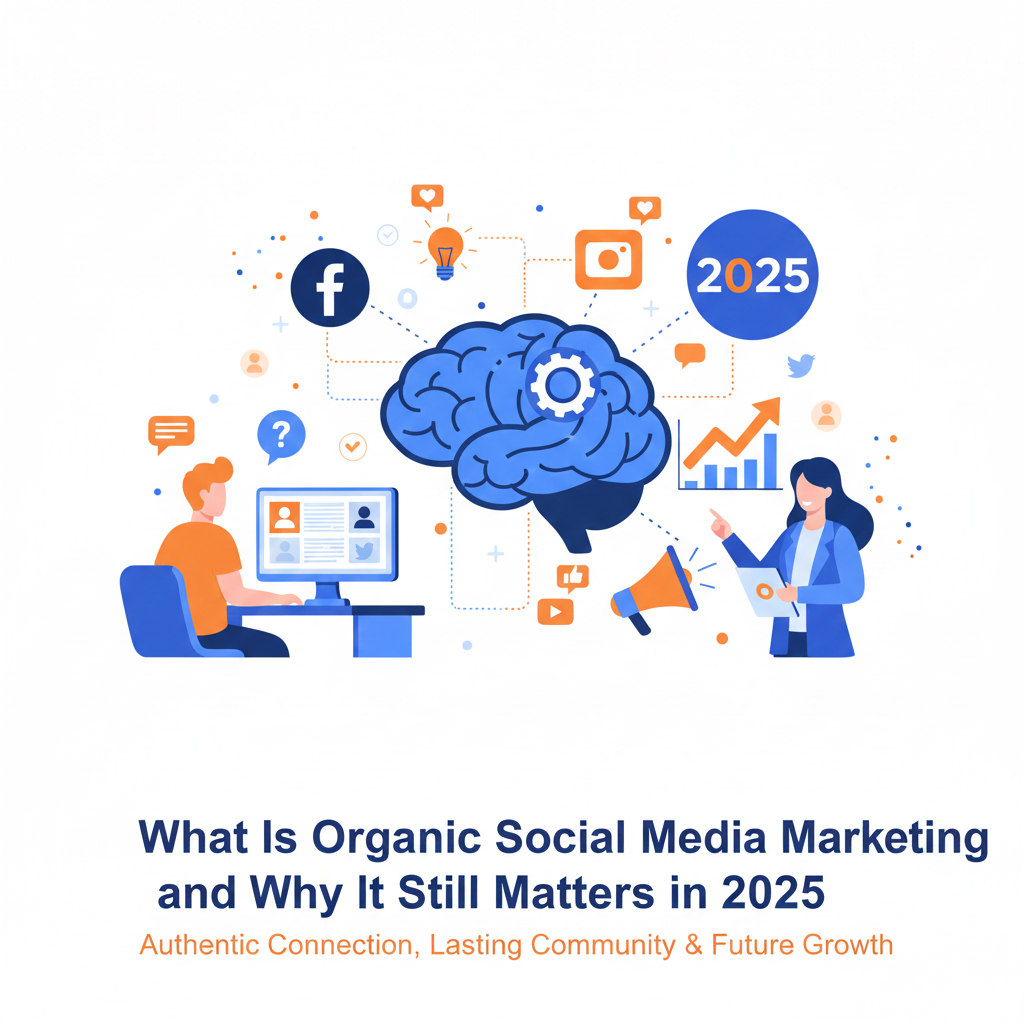
In an era where paid advertising dominates digital platforms, the term organic social media marketing often feels overlooked. Brands today are spending billions of dollars on Facebook Ads, Instagram promotions, TikTok ads, and LinkedIn campaigns. But here’s the truth: organic social media marketing still matters—and in 2025, it’s more important than ever.
Why? Because audiences crave authenticity. Paid ads can drive awareness, but trust and loyalty are built organically. With constant algorithm updates, rising ad costs, and increased competition, businesses that rely solely on paid campaigns risk losing long-term brand equity. Organic social media acts as the foundation of digital presence, fueling relationships, engagement, and community.
This article explores what organic social media marketing is, why it still holds power in 2025, and how businesses can strategically leverage it to strengthen their digital footprint.
What Is Organic Social Media Marketing?
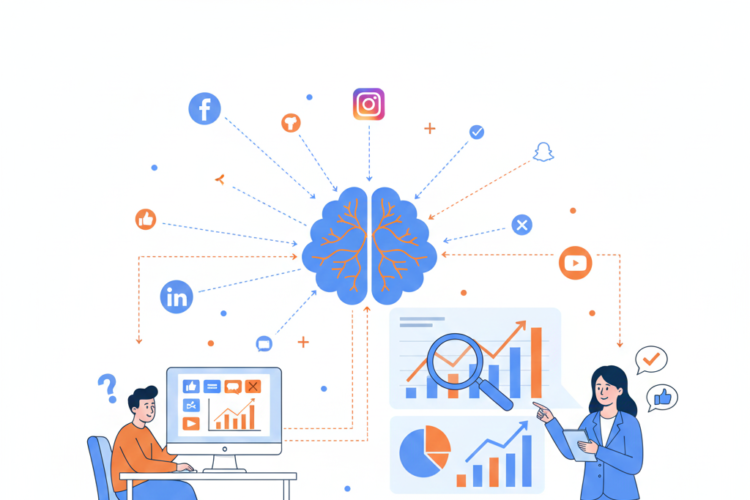
Organic social media marketing refers to all unpaid activities that brands, businesses, or individuals use to engage with their audience on platforms like Facebook, Instagram, TikTok, X (Twitter), LinkedIn, Pinterest, and YouTube.
It includes:
-
Posting photos, videos, stories, or reels
-
Writing captions and updates
-
Sharing blogs, articles, and resources
-
Responding to comments, mentions, and messages
-
Building communities through groups and discussions
-
Engaging with user-generated content
In short, organic social media is about connecting without paying for visibility. While paid ads push your content to the masses, organic marketing nurtures genuine conversations, fosters community trust, and builds long-term relationships.
The Evolution of Organic Social Media (2010–2025)
-
2010–2015: Organic reach was high. Facebook Pages could post and instantly reach thousands of followers. Social media felt “free” and fresh.
-
2016–2019: Algorithm changes started prioritizing personal connections over business posts. Organic reach began to decline. Brands shifted toward ads.
-
2020–2022: TikTok exploded, giving smaller creators massive organic visibility. Instagram Reels boosted discoverability. Community-driven content gained traction.
-
2023–2024: Paid ad costs skyrocketed. Audiences began ignoring overtly promotional ads. Authentic organic strategies—memes, storytelling, micro-influencers—started outperforming traditional ad-heavy campaigns.
-
2025: Organic content isn’t dead—it’s evolving. Short-form videos, creator-led campaigns, and community-driven experiences dominate. People engage more with authentic content than polished, ad-like posts.
Why Organic Social Media Still Matters in 2025
1. Authenticity Wins Over Algorithms
Modern users are smarter than ever. They can spot an ad instantly, and many scroll past it without engaging. Organic content feels authentic, personal, and relatable—qualities that foster trust.
2. Cost Efficiency
Paid ads can drain budgets quickly, especially with rising CPCs (cost per click). Organic marketing requires time and creativity rather than money, making it a cost-effective long-term strategy.
3. Community Building
Communities are the future of social media. Whether it’s a Facebook Group, LinkedIn discussion thread, or Discord community, organic strategies build loyal audiences who keep coming back—without needing to be retargeted with ads.
4. Boosts Paid Campaigns
Organic and paid aren’t rivals; they’re partners. A strong organic presence boosts ad performance because people are more likely to trust and engage with brands they already follow.
5. Long-Term Sustainability
Paid ads stop when budgets run out. Organic content lives longer. A viral TikTok, evergreen YouTube video, or valuable LinkedIn post can drive engagement for months—or even years.
6. SEO and Discoverability
Social media platforms are becoming search engines. In 2025, people use TikTok and Instagram as much as Google to search for trends, tutorials, and product reviews. Consistent organic posting helps brands get discovered.
7. Data and Insights
Organic engagement shows what resonates with your audience. By analyzing likes, comments, shares, and saves, businesses can gather authentic insights to fuel both content and paid strategies.
Organic Social Media Marketing Strategies That Work in 2025
1. Short-Form Video First
-
Platforms like TikTok, Instagram Reels, and YouTube Shorts dominate attention.
-
Quick, snackable videos showcasing storytelling, behind-the-scenes moments, or quick tips perform best.
2. Community-Driven Content
-
User-generated content (UGC), reviews, and testimonials build credibility.
-
Encourage followers to share experiences and repost their content with credit.
3. Humanized Brand Voice
-
Brands that sound robotic lose followers.
-
Use humor, memes, relatable stories, and conversational tones to connect.
4. Consistency Over Virality
5. Creator Collaborations
-
Instead of big influencers, micro-creators and niche experts deliver stronger organic impact.
-
Partnerships bring fresh audiences organically.
6. Educational & Value-Driven Content
-
Tutorials, how-to posts, and tips establish authority.
-
People follow accounts that solve their problems—not just promote products.
7. Interactive Formats
-
Polls, quizzes, Q&A sessions, and live streams drive active engagement.
-
Audiences in 2025 want two-way communication, not just passive consumption.
Organic vs Paid Social Media: The Balance in 2025
The smartest brands in 2025 don’t rely solely on one—they combine both. Organic builds trust, while paid scales visibility. Without organic, paid campaigns look transactional. Without paid, organic growth is slower. Together, they form a balanced strategy.
Examples of Organic Social Media Success in 2025
-
Duolingo on TikTok: The brand’s mascot creates funny, meme-driven videos that went viral without heavy ad spending.
-
Nike Communities: Beyond ads, Nike invests in athlete stories, motivational content, and communities that organically fuel engagement.
-
Local Businesses: Restaurants, cafes, and creators leverage Reels/TikToks showcasing authentic daily moments, attracting organic footfall without ads.
The Future of Organic Social Media Marketing (2025 and Beyond)
Organic strategies will keep evolving. Here’s what’s next:
-
AI-powered personalization: Content tailored to individual user interests.
-
Social search dominance: Platforms competing with Google for search behavior.
-
Stronger niche communities: Micro-communities driving deeper brand loyalty.
-
Blended content formats: Combining AR, VR, and immersive experiences organically.
Conclusion
Organic social media marketing isn’t dead—it’s thriving in new ways. In 2025, it matters more than ever because it builds trust, strengthens communities, fuels authentic conversations, and supports paid strategies.
Brands that embrace organic marketing not only save on advertising costs but also future-proof their digital presence. At the end of the day, ads may bring people in, but organic engagement keeps them coming back.