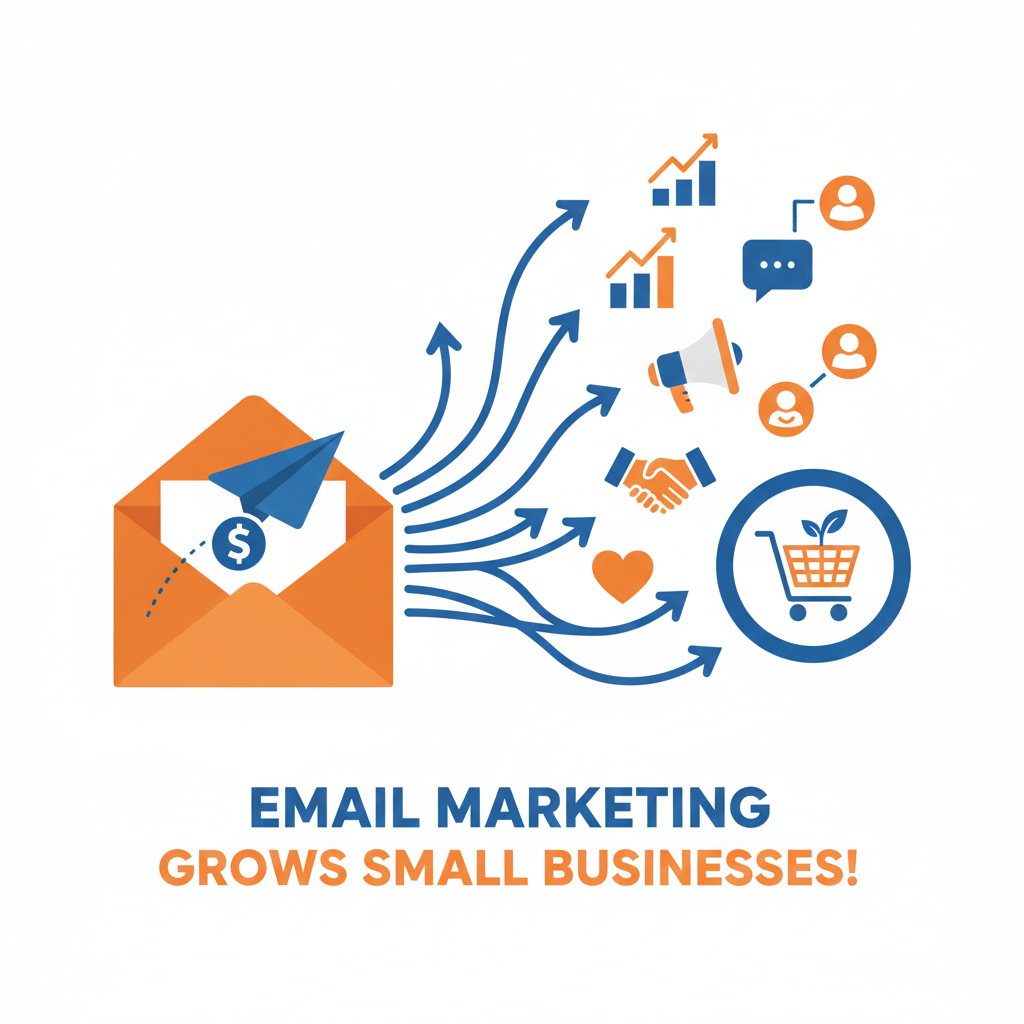
Email marketing is one of the highest-ROI, lowest-cost marketing channels — and it’s especially powerful for small businesses that need growth without burning cash.
Below are the key reasons, explained in-depth, with practical examples.
1. Email Gives the Highest ROI of Any Marketing Channel
Most studies show email marketing generates ₹35–₹45 (or even more) for every ₹1 spent.
Why?
Sending emails is almost free compared to ads.
Once you build a list, you can reach those people repeatedly without paying again.
You own your audience — no dependency on algorithms or paid ads.
Example:
A bakery collects 500 local customer emails. Sending 1 promotional email about “Buy 2 Get 1 Free Cupcake” can bring 20–50 customers instantly — at almost zero cost.
2. You Own the Audience — No Algorithm Dependence
On Instagram, Facebook, or Google, your reach depends on algorithms.
But with email, your message always lands in the customer’s inbox.
Why it matters for small businesses:
No risk of sudden reach drop
No need to pay to boost visibility
You stay connected even if social platforms change
This makes email the most stable long-term asset.
3. Builds Strong, Trust-Based Relationships
Email is personal.
People check their inbox multiple times a day.
When a small business consistently sends value-packed emails, customers start trusting the brand.
Trust converts into sales.
Examples of value emails:
Tips
Mini-guides
Before/after results
Success stories
Educational content
Even a simple monthly newsletter builds familiarity and loyalty.
4. Perfect for Customer Retention (Cheaper Than Acquisition)
Small businesses usually struggle with:
Email solves this by helping you retain existing customers.
Retention emails include:
Birthday offers
Order follow-ups
Refill reminders
Upsell recommendations
Loyalty rewards
A 5% increase in retention can increase profits by 20–70%.
5. Helps Drive Consistent Sales Without Running Ads
With a strong list, you can generate instant sales by sending:
Festive offers
New arrivals
Flash sales
Back-in-stock alerts
Email marketing becomes your on-demand revenue machine.
Example:
A clothing boutique sends a “New Winter Collection” email → 15–30 orders on Day 1.
6. Highly Personalized and Targeted
Small businesses win when they show personal care.
Email lets you send highly targeted messages like:
Emails only to customers who bought a certain item
Offers only to high-value customers
Reminders to cart abandoners
Recommendations based on browsing or buying history
Such personalization boosts conversions dramatically.
7. Cost-Effective Compared to Other Channels
For small businesses, cost control is essential.
Email tools start as low as ₹700–₹1500/month, and even free for small lists.
Whereas:
Email lets small businesses scale without financial pressure.
8. Automation Works Even While You Sleep
Email automation helps small businesses do more with fewer employees.
Examples:
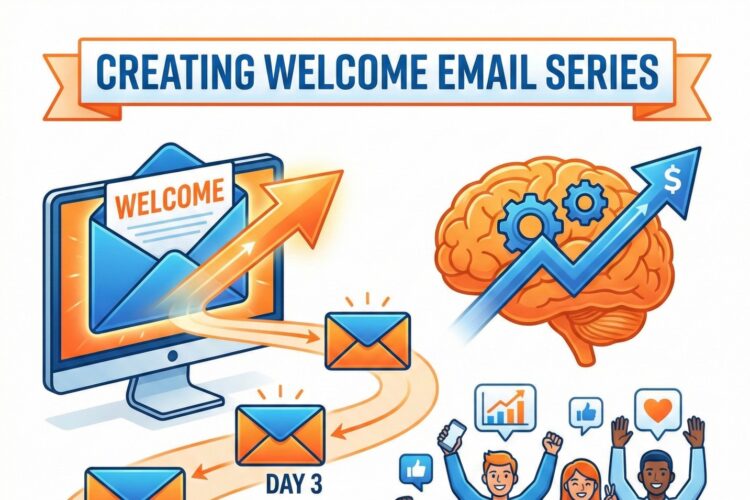
Welcome series
Win-back campaigns
Birthday messages
Onboarding sequences
Cart abandonment emails
Once set up, these run automatically and drive revenue 24/7.
9. Builds Brand Recall
Even if people don’t buy today, your emails keep your brand in their mind.
So when they need your product or service, you are the first business they remember.
This is essential for small businesses with limited marketing exposure.
10. Easy to Track, Measure, and Improve
Email shows clear data:
Open rate
Click rate
Conversion rate
Subscriber growth
Revenue per email
Small businesses can quickly identify:
This data-driven clarity helps scale faster.
In Short
Email marketing is important for small businesses because it is:
✔ High ROI
✔ Low cost
✔ Reliable reach
✔ Personal & relationship-driven
✔ Automation-friendly
✔ Retention-focused
✔ A strong long-term asset
It helps small businesses get customers, keep customers, and grow sales — without depending heavily on ads.