Using Email to Drive App Engagement: A Complete, In-Depth Guide
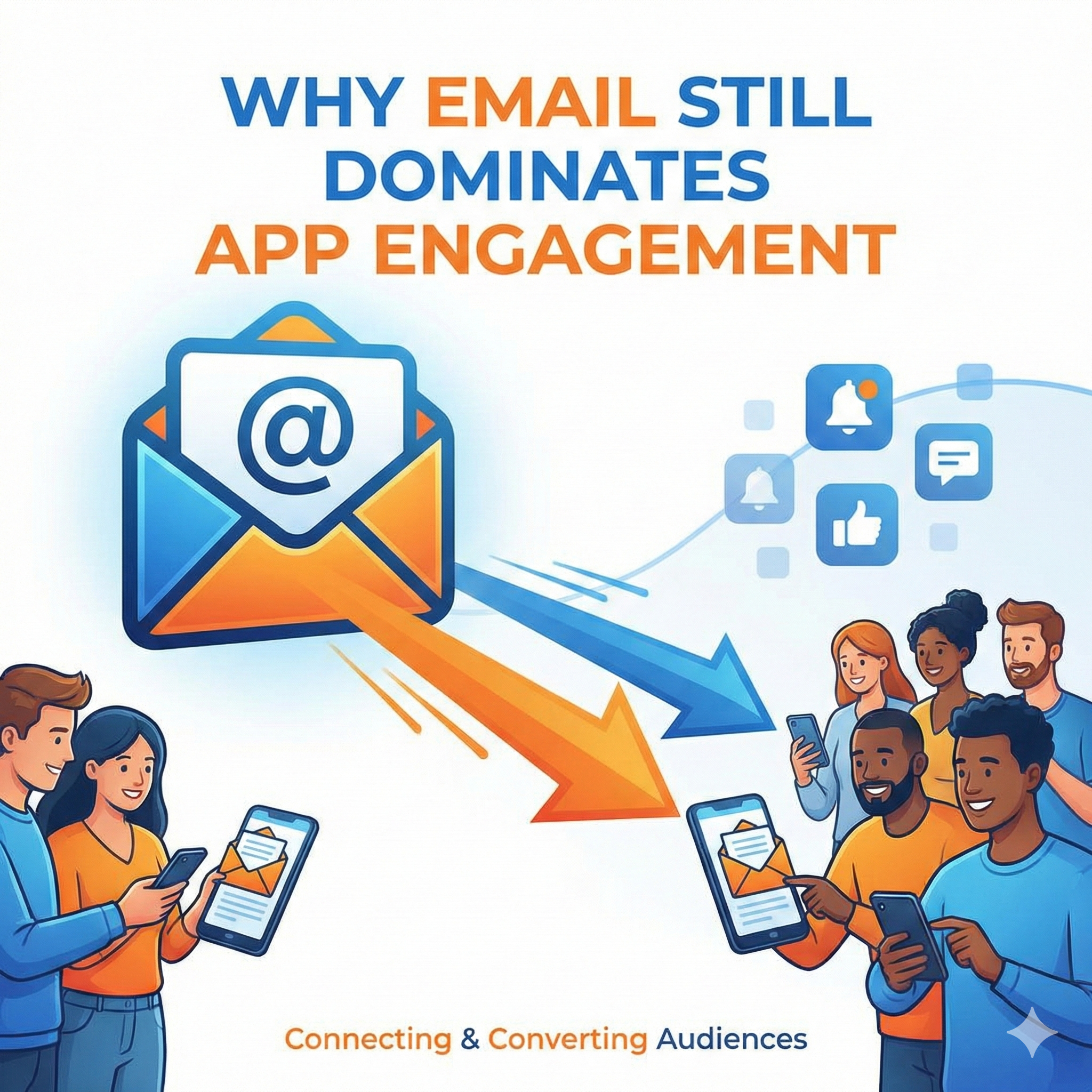
Introduction: Why Email Still Dominates App Engagement
In an ecosystem dominated by push notifications, in-app messages, social ads, and retargeting, email often gets underestimated as an app engagement channel. Many marketers incorrectly assume that email is slow, outdated, or ineffective compared to real-time mobile channels. In reality, email remains one of the most powerful, controllable, and scalable tools for driving meaningful app engagement across the entire user lifecycle.
Email is not just a communication channel; it is a behavioral engine. It allows brands to educate users before installation, activate them after signup, re-engage dormant users, nurture power users, and even bring churned users back into the app. Unlike push notifications, email does not depend on app permissions, device settings, or OS-level restrictions. Unlike paid ads, email engagement compounds over time rather than resetting with each campaign.
The real strength of email lies in its ability to carry context, storytelling, and intent. A well-crafted email can remind users why they installed your app in the first place, guide them to the next meaningful action, and create habits that translate into long-term retention and lifetime value.
This article explores how email can be strategically designed, technically integrated, and behaviorally optimized to become a core driver of app engagement, not just a supporting channel.
Understanding App Engagement Beyond Opens and Clicks
Before using email to drive app engagement, it is essential to redefine what engagement actually means in an app ecosystem. Engagement is not merely opening the app or clicking a button. True engagement is the completion of value-driven actions that align with both user intent and business outcomes.
For a fintech app, engagement may mean completing KYC, adding money, or making a first transaction. For an e-commerce app, engagement could be browsing products, adding items to the cart, or completing a purchase. For a SaaS or productivity app, engagement often involves feature adoption, repeated usage, or workflow completion.
Email should never be designed in isolation from these engagement goals. Every email must act as a bridge between user context and in-app behavior. If an email does not clearly move the user closer to an engagement milestone, it becomes noise rather than value.
Email’s Unique Role in the App User Lifecycle
Email plays a distinct role at every stage of the app lifecycle, from pre-install to reactivation. Unlike push notifications, which are often transactional and time-sensitive, email excels at explanation, persuasion, and habit formation.
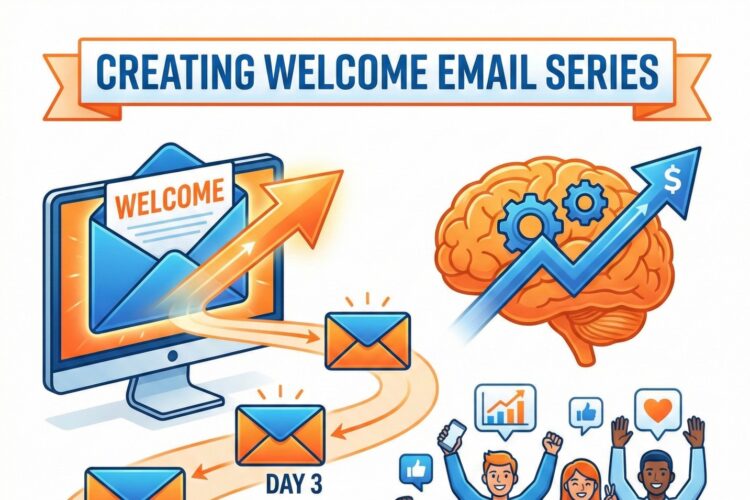
During the pre-install and onboarding phase, email builds anticipation and reduces friction. Welcome emails can introduce app value, set expectations, and guide users toward their first meaningful action. During activation, emails can reinforce learning by explaining features that users may have skipped or misunderstood during their initial session.
As users mature, email becomes a reinforcement tool. It reminds users of unused features, surfaces personalized insights, and encourages deeper exploration of the app. For dormant users, email acts as a re-engagement channel that can reframe value, offer incentives, or highlight updates that make the app relevant again.
Even for highly active users, email can be used to strengthen loyalty by acknowledging milestones, sharing progress summaries, and providing exclusive access or content.
Designing Emails That Drive Users Back Into the App
Driving app engagement through email is not about sending promotional messages with generic calls to action. It requires thoughtful design that aligns email content with in-app experiences.
The most effective app engagement emails are designed backward from the in-app destination. Instead of asking, “What should this email say?”, the better question is, “What do we want the user to do inside the app after opening this email?” Once that action is defined, the email content should remove every possible barrier between the user and that action.
This includes deep linking directly into the relevant screen within the app rather than sending users to a homepage or app store listing. It also involves setting clear expectations in the email body so users know exactly what will happen when they tap the CTA.
Language plays a critical role here. Emails that focus on benefits rather than features consistently perform better. Instead of saying, “Check out our new dashboard,” an engagement-driven email would say, “See how your weekly performance improved in one glance.” This subtle shift reframes the email from a product update into a value reminder.
Personalization as the Core of Engagement-Driven Email
Generic emails rarely drive meaningful app engagement. Personalization is no longer a nice-to-have; it is the foundation of effective lifecycle communication.
True personalization goes beyond inserting a user’s first name in the subject line. It involves tailoring content based on user behavior, preferences, lifecycle stage, and historical engagement patterns. For example, a user who abandoned onboarding needs a completely different email than a user who completed onboarding but never returned.
Behavioral data from the app should inform every email decision, from timing and frequency to messaging and CTA placement. Emails triggered by specific actions, or the lack of them, consistently outperform batch campaigns because they align with real user intent.
For instance, if a user browses products but does not add anything to the cart, an email that highlights recently viewed items or similar recommendations feels helpful rather than intrusive. If a user has not used a core feature, an educational email explaining how that feature solves a specific problem can unlock engagement that push notifications alone cannot achieve.
Timing and Cadence: When Engagement Emails Work Best
One of the biggest mistakes in email-driven app engagement is poor timing. Even the most well-written email will fail if it arrives at the wrong moment.
Timing should be guided by user behavior rather than marketer convenience. Emails triggered shortly after a meaningful action or inactivity window tend to feel more relevant and receive higher engagement. For example, sending an onboarding reminder email 24 hours after signup is often more effective than sending it immediately or waiting a week.
Cadence is equally important. Sending too many emails can lead to fatigue, unsubscribes, and disengagement, while sending too few can cause users to forget the app entirely. The optimal frequency depends on the app category, user expectations, and value density of the emails.
Successful app brands treat email cadence as a dynamic variable that adapts based on user engagement. Highly active users may receive fewer reminder emails and more value-based updates, while inactive users may receive more nudges until they re-engage or churn.
Using Email to Educate and Drive Feature Adoption
One of email’s greatest strengths in app engagement is education. Many users abandon apps not because the product is bad, but because they never fully understood how to use it.
Educational emails can bridge this gap by explaining features in a contextual, user-friendly way. Instead of overwhelming users with all features at once, email allows for progressive education over time. Each email can focus on a single use case, explaining why it matters and how to access it within the app.
Feature adoption emails work best when tied to user behavior. If a user has completed basic actions but has not explored advanced features, an email can introduce those features as natural next steps rather than optional extras.
Over time, this approach builds confidence, reduces friction, and turns casual users into power users who extract maximum value from the app.
Re-Engagement and Win-Back Through Email
Email is one of the most effective channels for re-engaging dormant users because it allows for narrative and emotional framing that push notifications cannot deliver.
When users disengage from an app, it is rarely random. They may have lost interest, failed to see value, encountered friction, or simply forgotten about the app. Re-engagement emails should acknowledge this reality rather than ignoring it.
Effective win-back emails focus on relevance and value rather than urgency or pressure. They may highlight new features, improved experiences, personalized insights, or incentives that make returning worthwhile. The tone should feel supportive rather than sales-driven.
Crucially, re-engagement emails should respect user choice. Providing clear options to manage preferences or pause communications builds trust and often improves long-term engagement, even if it reduces short-term open rates.
Measuring the Real Impact of Email on App Engagement
Traditional email metrics like open rates and click-through rates are insufficient for measuring app engagement success. While these metrics indicate interest, they do not capture actual in-app behavior.
The true measure of success lies in post-click actions. This includes app opens, session duration, feature usage, conversion events, and retention rates. Integrating email analytics with app analytics is essential to understand how email influences user behavior over time.
Attribution models should account for email-assisted conversions, especially in multi-channel journeys where email supports push notifications, ads, or in-app messages. Without this holistic view, email’s contribution to engagement is often undervalued.
Continuous experimentation is also critical. Subject lines, content structure, CTA language, timing, and personalization logic should be tested regularly to identify what drives the highest quality engagement rather than just the highest volume of clicks.
Building a Sustainable Email-Led Engagement Strategy
Using email to drive app engagement is not about sending more emails. It is about sending smarter, more intentional communication that respects user context and delivers real value.
A sustainable strategy requires alignment between marketing, product, and data teams. Email workflows should be designed alongside app journeys, not retrofitted after launch. Data infrastructure should support real-time triggers and deep behavioral insights. Creative teams should focus on clarity and usefulness rather than promotional hype.
When executed correctly, email becomes more than a retention channel. It becomes an extension of the app experience itself, guiding users, reinforcing value, and building long-term relationships that outlast any single campaign or feature update.
Conclusion: Email as a Long-Term Engagement Engine
Email remains one of the most underestimated yet powerful tools for driving app engagement. Its ability to deliver context-rich, personalized, and behavior-driven communication makes it uniquely suited for guiding users through complex app journeys.
In a world where attention is fragmented and competition is intense, apps that treat email as a strategic engagement engine rather than a broadcast channel will consistently outperform those that rely solely on push notifications or paid reactivation.
By aligning email with user intent, app behavior, and long-term value creation, brands can transform email from a simple messaging tool into a core pillar of sustainable app growth.

Author