
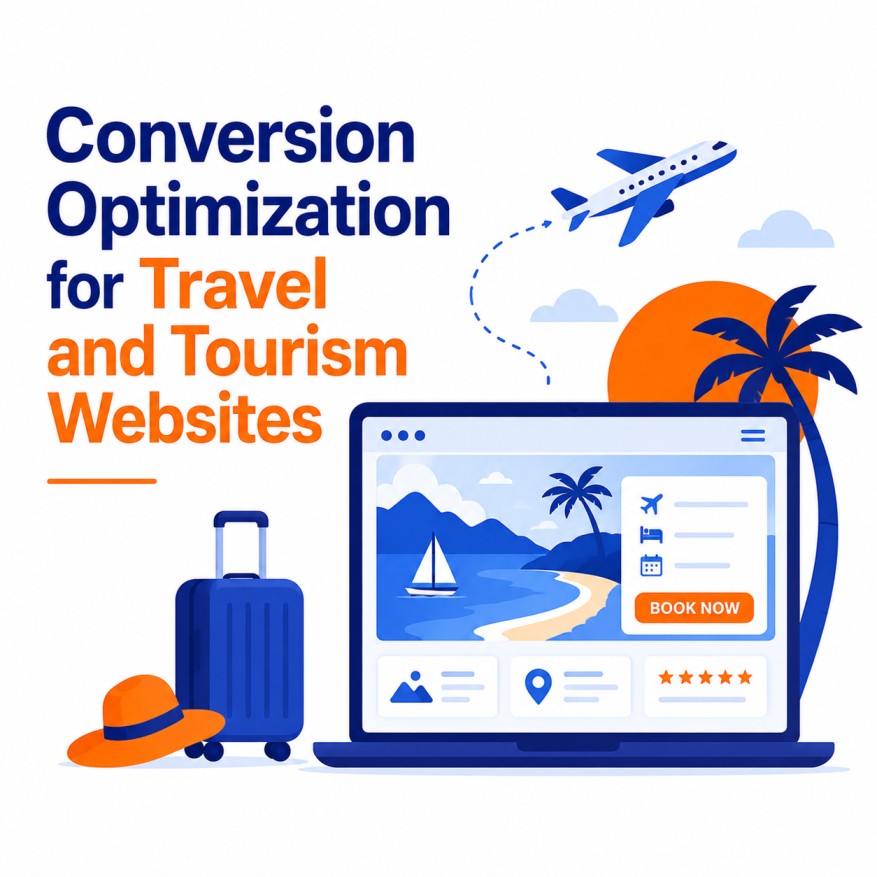
Conversion rate optimization (CRO) for travel and tourism websites is one of the highest-leverage activities available to hotels, tour operators, destination marketing organizations, travel agencies, vacation rental managers, and experience providers. Unlike low-consideration retail purchases, travel decisions involve significant emotional investment, multi-device research journeys, comparison across numerous options, trust barriers around safety and value, seasonal demand fluctuations, and often complex booking flows with dates, travelers, add-ons, and payment. The result is characteristically low conversion rates and high abandonment—yet the upside of even modest improvements is enormous because average booking values are high and direct bookings typically deliver far superior margins compared with online travel agencies (OTAs).
This comprehensive guide examines the unique dynamics of travel CRO, current benchmarks, the full booking funnel, proven optimization levers, segment-specific tactics, measurement frameworks, testing approaches, and an actionable implementation roadmap. It draws on industry data, controlled experiments, and practitioner benchmarks current as of 2026.
Why Travel and Tourism CRO Is Fundamentally Different
Travel purchases sit at the high end of the consideration spectrum. Travelers typically visit multiple sites, switch between mobile research and desktop booking, read reviews extensively, compare prices and inclusions, and frequently abandon to “think about it” or check competitor rates. Key distinguishing factors include:
- High average order value combined with long decision cycles.
- Strong multi-device and multi-session behavior.
- Heavy reliance on visual and emotional content (photography, video, storytelling).
- Trust and risk perception (safety, cancellation policies, hidden fees, operator reliability).
- Inventory complexity (dates, availability, room types, group sizes, seasonal pricing, add-ons).
- Competition from OTAs that often provide smoother, more familiar booking experiences and stronger social proof at scale.
- Seasonal and event-driven demand spikes that stress site performance and inventory systems.
- Regulatory and transparency requirements around pricing, fees, and consumer rights in many markets.
These factors produce structural conversion challenges that generic e-commerce playbooks only partially address. Successful travel CRO requires a deep understanding of traveler psychology, meticulous attention to friction at every stage of the journey, and continuous experimentation.
Current Conversion Benchmarks (2025–2026)
Benchmarks vary significantly by segment, traffic quality, device, and whether the conversion is a completed booking, enquiry, or quote request. Approximate industry ranges include:
- Overall travel and hospitality website conversion rates commonly fall in the 1.5–3.5% range for full-site traffic, with top performers reaching 4–6% or higher.
- Hotel direct booking websites frequently average 1.5–2.5% (sometimes cited in the 2.2–3.9% band for better performers), with mobile often substantially lower (0.5–1.5% in many cases) and desktop higher.
- Dedicated travel landing pages often convert better than full-site averages, with median figures around 4.8% in some large datasets (still below broader industry landing-page medians).
- Tour operators and package/experience sites typically see lower full-funnel booking rates than high-intent hotel searches, frequently in the 1–3% visitor-to-booking range depending on lead versus direct-book models.
- Booking abandonment rates in travel routinely exceed 70–80% and can reach higher levels for complex itineraries.
- Desktop conversion frequently outperforms mobile by a wide margin (sometimes approaching 2–3×), even as mobile drives the majority of traffic.
- Inquiry or lead-based models show different economics: visitor-to-inquiry rates of 1–3% are common, with strong quote-to-booking rates (20–40%+ for qualified leads) possible when response times and sales processes are optimized.
These numbers underscore both the challenge and the opportunity. Moving from 2% to 3.5% conversion on meaningful traffic volumes can translate into substantial additional revenue and higher-margin direct bookings without proportional increases in acquisition spend.
Mapping and Diagnosing the Travel Conversion Funnel
Effective CRO begins with precise funnel definition and measurement. A typical travel funnel includes stages such as:
- Landing / awareness (homepage, destination pages, paid landing pages, organic content).
- Exploration and consideration (search/filter results, tour or room listings, comparison tools).
- Detail evaluation (individual tour/hotel/room pages with itineraries, photos, amenities, reviews, pricing).
- Intent actions (date selection, availability check, add-to-cart or start booking, enquiry/quote form start).
- Conversion completion (form submission, checkout, payment, confirmation).
- Post-conversion (upsells, account creation, review solicitation, retention).
Critical micro-conversions worth tracking include photo gallery engagement, review reading, filter usage, itinerary expansion, price transparency interactions, and return visits. High drop-off commonly occurs at:
- Page load and initial impression (speed and first-screen clarity).
- Transition from inspiration to concrete options.
- Date/availability selection and pricing reveal.
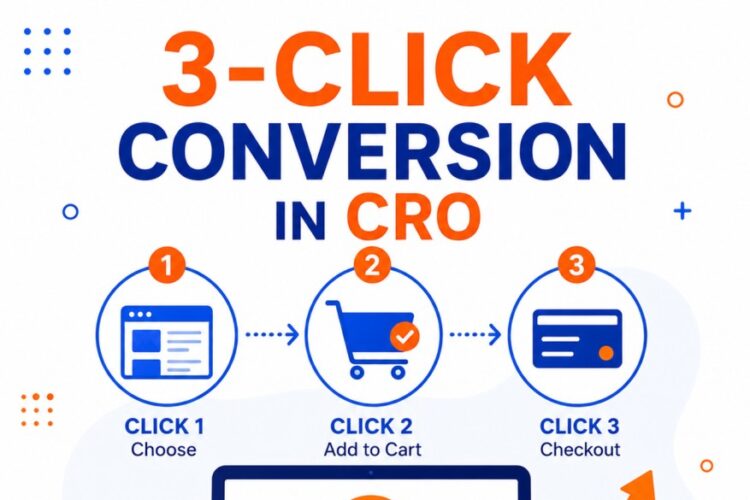
- Form or checkout initiation (especially forced account creation or excessive fields).
- Payment and final confirmation (trust, fees, mobile friction).
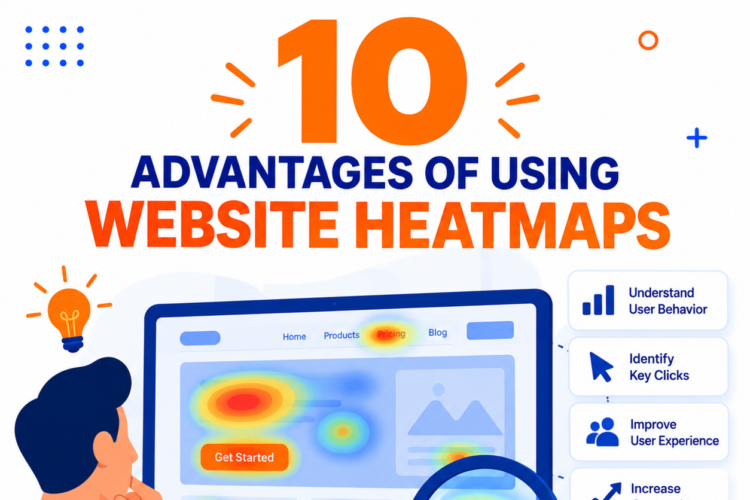
Cross-device tracking and multi-session analysis are essential because many travelers research on mobile and convert later on desktop (or vice versa). Tools that support user journey stitching, session recordings, heatmaps, and form analytics are particularly valuable.
Foundational Optimization Pillars
1. Site Speed and Core Web Vitals
Travel pages are media-heavy. High-resolution destination imagery, booking widgets, maps, and third-party scripts frequently degrade performance. Research has linked even small improvements in mobile load time to meaningful lifts in travel booking rates (classic studies showed roughly 10% conversion improvement per 0.1-second gain in some contexts). Target Largest Contentful Paint under 2.0–2.5 seconds on key templates, minimize Cumulative Layout Shift (especially around price and availability modules), and prioritize mobile real-user metrics. Optimize images (modern formats, correct sizing, lazy loading), defer non-critical JavaScript, and carefully manage third-party booking engines and tracking scripts.
2. Mobile-First Experience
Mobile often accounts for the majority of traffic yet converts at substantially lower rates. Design for thumb-friendly interaction, large tap targets, simplified navigation, sticky primary CTAs, progressive disclosure of complex information (itineraries, inclusions), and frictionless date and traveler selection. Avoid horizontal scrolling traps, ensure forms are easy to complete on small screens, and test the entire booking path thoroughly on real devices.
3. Visual Storytelling and Content Quality
Photography and video are primary conversion drivers in travel. Professional, high-quality, authentic imagery (preferably showing real experiences and people) outperforms generic stock. Aim for generous galleries on product pages. Video of the experience in action can dramatically increase engagement. Pair visuals with clear, benefit-oriented copy written at an accessible reading level (research has shown 5th–7th grade level copy converting markedly higher than denser professional prose on many landing pages). Keep primary landing and product pages focused—often in the 200–750 word range for core persuasive content—while supporting deeper information via expandable sections or linked guides.
4. Trust, Transparency, and Social Proof
Travelers need reassurance before committing significant money and time. Essential elements include:
- Prominent, recent, verified reviews and ratings (ideally with photos and specific details).
- Clear, upfront total pricing (including taxes, fees, and surcharges where possible).
- Transparent cancellation, modification, and refund policies.
- Security badges, payment method logos, and trust seals near conversion points.
- Operator credentials, awards, years in business, and safety information.
- Real guest photos and user-generated content.
- Live or recent booking indicators where authentic (“X people booked this week”).
Hiding costs or burying policies is a major abandonment driver. 95% of people read reviews before booking in many studies; products with multiple reviews convert far better.
5. Form and Checkout Friction Reduction
Every unnecessary field reduces completion. Best practice is to minimize required fields, use multi-step progressive forms for complex enquiries (starting with trip intent before contact details), offer guest checkout, support digital wallets and popular local payment methods, and surface total cost early. For lead-gen models, multi-step enquiry forms have shown substantial lifts over long single-page forms in some datasets. Auto-save progress, clear error messaging, and mobile-optimized inputs are non-negotiable.
6. Pricing Presentation, Urgency, and Value Framing
Display complete pricing transparently. Highlight inclusions, value-adds, and reasons to book direct (better rates, free cancellation windows, loyalty benefits, personalized service, no OTA fees). Ethical urgency (real limited availability, genuine seasonal offers) can help, manufactured scarcity damages trust. Dynamic pricing and personalized offers based on traveler type, dates, or behavior can improve relevance.
7. Navigation, Search, and Information Architecture
Structure sites around how travelers think—typically destination or experience first, then filters for duration, type, price, group size, dates, and difficulty. Faceted search with travel-relevant filters, clear hierarchy, and shallow click depth to revenue pages improve both usability and conversion. Avoid forcing users through excessive category layers.
8. Personalization and Relevance
Segment experiences by traveler type (families, couples, solo, luxury, adventure), traffic source, behavior, geography, or stage in the journey. Personalized CTAs, recommended itineraries, and dynamic content have produced large lifts in testing. Returning visitors and high-intent segments deserve tailored messaging and simplified paths.
9. Abandonment Recovery and Multi-Channel Follow-Up
High abandonment is inevitable; recovery is essential. Implement cart/enquiry abandonment emails or messages, retargeting, SMS where appropriate, and rapid human follow-up for high-value leads. Response time matters enormously—leads contacted within minutes convert at dramatically higher rates than those left for hours or days. Live chat or chatbot support can capture intent in real time and lift conversion.
Segment-Specific Considerations
Hotels and Resorts: Emphasize direct-booking advantages, room comparison tools, package upsells, loyalty integration, and seamless booking engine UX. Compete with OTA simplicity while showcasing unique property character and superior value.
Tour Operators and Experience Providers: Focus on itinerary clarity, inclusions/exclusions, group size and difficulty signaling, departure date availability, and strong visual proof of the experience. Lead-gen models require excellent enquiry forms and fast, personalized quoting.
Travel Agencies and Package Sellers: Destination-plus-origin package pages, comparison tools, and trust-building around expertise and customization are critical. Multi-step qualification forms help surface high-quality leads.
Vacation Rentals and Alternative Accommodation: Calendar accuracy, house rules transparency, host information, and local experience add-ons influence conversion strongly.
Measurement, Testing, and Continuous Improvement
Define primary conversion events clearly (completed booking, qualified enquiry, etc.) and track micro-conversions and revenue metrics (conversion rate, revenue per visitor, average booking value, direct vs. OTA mix). Segment by device, traffic source, new vs. returning, and landing page.
Prioritize testing in this approximate order for many travel sites:
- Speed and mobile usability fixes (often highest ROI foundational work).
- Primary CTAs (copy, color, placement, sticky behavior).
- Hero messaging and value propositions.
- Form length and structure.
- Pricing and trust element presentation.
- Page layout and information hierarchy on key templates.
- Personalization and segmented experiences.
Use proper sample size calculations, run tests long enough to account for weekly seasonality, and focus on compounding incremental gains rather than searching only for dramatic single-test winners. Combine quantitative analytics with qualitative methods (session recordings, heatmaps, user testing, surveys) to diagnose why users abandon.
Emerging Trends and Future Considerations
AI-driven personalization and dynamic packaging are becoming more accessible. Structured data and clear, extractable content increasingly influence visibility in AI-powered search and answer engines, which can drive high-intent traffic. Sustainability messaging, accessibility, and inclusive design are rising expectations. Voice and conversational interfaces may influence future research paths. Privacy changes continue to affect tracking and personalization capabilities, increasing the value of first-party data and contextual relevance.
Implementation Roadmap
- Audit and Baseline (1–2 weeks): Measure current funnel performance, Core Web Vitals, mobile usability, form analytics, and qualitative friction points. Benchmark against relevant segment data.
- Foundation Fixes (2–6 weeks): Address speed, critical mobile issues, broken booking paths, and obvious trust or pricing transparency gaps.
- High-Impact Experiments (ongoing): Systematically test CTAs, messaging, forms, and key page templates.
- Advanced Optimization: Personalization, advanced recovery flows, deeper content and visual improvements, and integration with CRM/sales processes for lead-based models.
- Measurement and Iteration Culture: Establish regular review cadences, share learnings, and treat CRO as a continuous program rather than a one-time project.
Conclusion
Conversion optimization for travel and tourism websites is not primarily about clever design tricks or aggressive urgency tactics. It is about systematically reducing friction, building trust, communicating value clearly, matching the emotional and practical needs of travelers at each stage of their journey, and making the path from inspiration to confirmed booking as seamless as possible—especially on mobile. Because baseline conversion rates are modest and booking values are high, disciplined CRO frequently delivers exceptional returns, improves the quality of direct relationships with customers, and reduces dependence on high-commission channels.
Operators who treat their websites as high-performance booking and enquiry engines rather than digital brochures—supported by rigorous measurement, continuous testing, and deep empathy for the traveler’s decision process—consistently outperform those who focus solely on traffic acquisition. In a competitive landscape dominated by powerful OTAs and rising traveler expectations, superior conversion capability is a durable strategic advantage.

Author