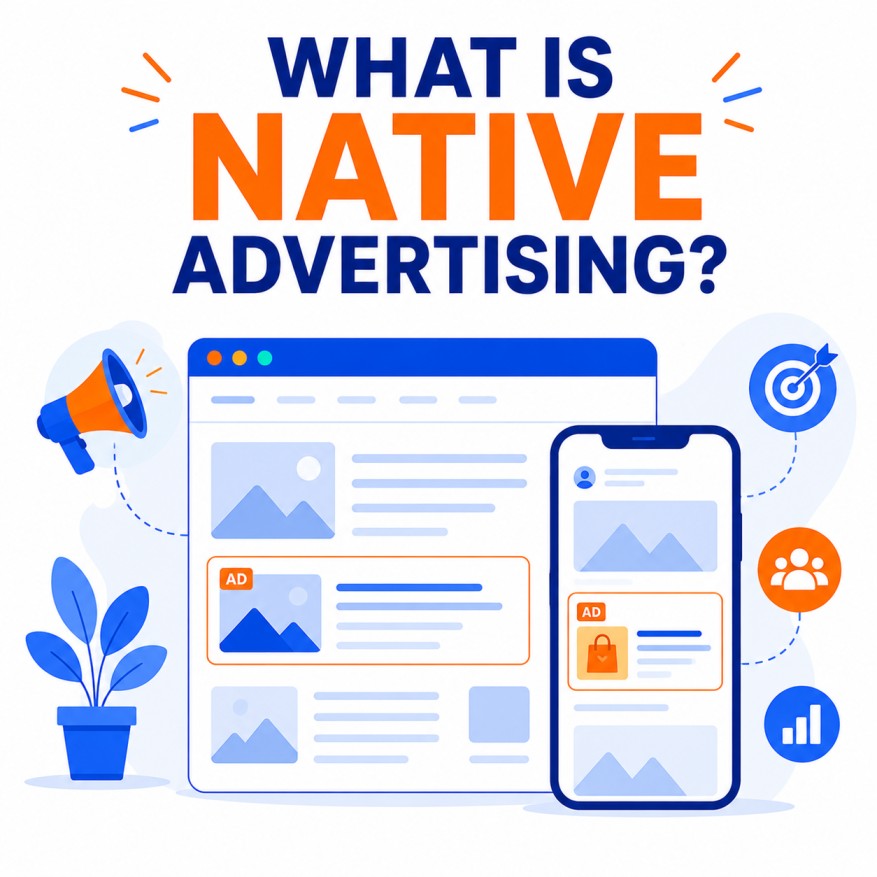
Native advertising is one of the most powerful and fastest-growing forms of digital advertising. Unlike traditional display or banner ads that interrupt the user experience, native advertising seamlessly blends promotional content with the surrounding platform environment — making it feel like a natural part of the user’s feed, article, or search results.
Native advertising continues to thrive as users become more ad-averse and platforms prioritize non-disruptive formats. This exhaustive, highly detailed guide explores every aspect of native advertising — its definition, history, types, benefits, challenges, creation strategies, platform-specific tactics, measurement frameworks, optimization techniques, real-world case studies, common pitfalls, and future trends.
1. What Is Native Advertising?
Native advertising is paid content that matches the form and function of the platform on which it appears. It is designed to be non-intrusive, relevant, and valuable to the audience.
Key Characteristics:
- Seamless Integration: Looks and feels like organic content.
- Disclosure: Must clearly indicate it is sponsored (e.g., “Sponsored”, “Ad”, “Promoted”).
- Value-First Approach: Provides genuine utility, entertainment, or information.
- Contextual Relevance: Aligns with the surrounding content and user intent.
Native vs Traditional Display Ads:
- Traditional ads are interruptive and visually distinct.
- Native ads are immersive and contextually relevant.
2. History and Evolution of Native Advertising
- Early Roots: Product placement in media (1950s–1990s).
- Digital Birth: Sponsored posts on platforms like Facebook (2006) and Twitter (2010).
- Mainstream Explosion: BuzzFeed’s sponsored articles and Facebook’s Sponsored Stories (2012–2015).
- Platform Standardization: Google’s Native Ads, Instagram Sponsored Posts, and LinkedIn Sponsored Content (mid-2010s).
- 2026 Landscape: Sophisticated programmatic native, AI-generated content, and deeper integration with commerce and conversational interfaces.
3. Types of Native Advertising Formats
In-Feed Ads:
- Appear naturally in social media feeds (Facebook, Instagram, TikTok, X, Bluesky).
- Blend with organic posts in style, tone, and format.
Search Ads (Native Search):
- Google and Microsoft Ads that match the look of organic search results.
Content Recommendations:
- “You may also like” widgets (Taboola, Outbrain) on publisher sites.
Sponsored Content / Advertorials:
- Long-form articles that match the publication’s editorial style.
Promoted Listings:
- Native product ads on e-commerce or marketplace platforms.
Video Native Ads:
- In-feed video that plays seamlessly in social feeds.
Story Ads:
- Vertical full-screen ads on Instagram Stories or Snapchat.
Conversation Ads:
- Interactive formats in messaging apps or chat interfaces.
4. Benefits of Native Advertising
- Higher Engagement: Users are more likely to interact with content that feels native.
- Better Brand Recall: Subtle integration leads to stronger memory encoding.
- Improved Trust: When done ethically, it builds rather than erodes trust.
- Superior Performance Metrics: Often achieves higher CTR and conversion rates than banner ads.
- Scalability: Programmatic platforms make it easy to scale across thousands of sites.
- Mobile Optimization: Performs exceptionally well on mobile where users hate intrusive ads.
- SEO and Content Synergy: High-quality native content can drive organic traffic and backlinks.
5. Challenges and Criticisms of Native Advertising
- Disclosure Issues: Blurring lines between editorial and paid content can damage trust.
- Ad Fatigue: Overuse of native formats leads to declining performance.
- Measurement Complexity: Attribution is harder than with direct response ads.
- Quality Control: Poorly executed native ads can harm brand perception.
- Regulatory Scrutiny: Increasing rules around transparency and labeling.
- Platform Dependency: Changes in algorithms can suddenly reduce reach.
6. How to Create High-Performing Native Advertising Campaigns
Step-by-Step Framework:
- Audience Research: Deeply understand pain points, interests, and platform behavior.
- Platform Selection: Choose networks where your audience spends time (Facebook, Instagram, YouTube, LinkedIn, Taboola, Outbrain, etc.).
- Creative Development: Match tone, style, and format of the platform perfectly.
- Content Strategy: Focus on value-first content (how-to, stories, insights, entertainment).
- Disclosure Strategy: Be transparent but not intrusive.
- Landing Page Alignment: Ensure perfect message match between native ad and destination page.
- Testing: Run A/B tests on headlines, images, formats, and calls-to-action.
Best Practices for Creative:
- Use high-quality, platform-native visuals.
- Write headlines that feel organic.
- Focus on storytelling rather than direct selling.
- Include clear value and subtle brand integration.
- Optimize for mobile-first consumption.
7. Platform-Specific Native Advertising Strategies
Facebook & Instagram:
- In-feed sponsored posts and Reels ads.
- Strong emphasis on video and carousel formats.
- Use Advantage+ creative for automation.
LinkedIn:
- Sponsored Content, Sponsored Messaging, and Lead Gen Forms.
- Ideal for B2B with professional tone and thought leadership.
YouTube:
- TrueView and Bumper ads that feel native to the platform.
- In-video native placements.
TikTok:
- Spark Ads and Branded Hashtag Challenges.
- Highly creative, trend-driven campaigns.
Google & Microsoft:
- Native search and discovery ads.
- Strong for intent-based performance.
Publisher Networks (Taboola, Outbrain)**:
- Content recommendation widgets.
- Focus on high-quality long-form content.
8. Measurement, Attribution, and Optimization
Key Metrics:
- Click-Through Rate (CTR)
- Engagement Rate (likes, comments, shares, time spent)
- Conversion Rate from clicks
- Return on Ad Spend (ROAS)
- Brand Lift (awareness, consideration, preference)
- Viewability and Completion Rates (for video)
Attribution Challenges & Solutions:
- Use multi-touch attribution models.
- Implement proper UTM tracking and Conversions API.
- Run incrementality tests to measure true impact.
- Combine platform data with CRM and analytics tools.
Optimization Tactics:
- Regular creative refresh cycles.
- Audience segmentation and lookalike expansion.
- Bid strategy adjustments based on performance.
- A/B testing across all elements.
9. Real-World Case Studies and Success Patterns
Successful native campaigns in recent years typically:
- Tell authentic stories rather than push products.
- Leverage platform trends and cultural moments.
- Combine reach with deep engagement.
- Use user-generated content or influencer partnerships.
- Measure beyond clicks to actual business outcomes.
10. Common Pitfalls and How to Avoid Them
- Making ads too salesy — Solution: Focus on value and storytelling.
- Poor disclosure — Solution: Clear and prominent labeling.
- Ignoring mobile experience — Solution: Test everything on mobile first.
- Lack of testing — Solution: Always run multiple variations.
- Over-reliance on one platform — Solution: Diversify across native networks.
11. Future Trends in Native Advertising (2026–2030)
- Greater personalization using first-party data and AI.
- Rise of conversational and interactive native formats.
- Deeper integration with commerce (shoppable native content).
- Increased use of video and short-form native experiences.
- Stronger emphasis on ethical, transparent advertising.
- AI-generated native content at scale with human oversight.
12. Action Plan: Building Your Native Advertising Strategy
Phase 1: Research audience and select platforms. Phase 2: Develop native-friendly content and creatives. Phase 3: Launch small tests and measure performance. Phase 4: Scale winners and optimize relentlessly. Ongoing: Monitor trends, refresh content, and maintain ethical standards.
Conclusion: Native Advertising Done Right Is More Powerful Than Ever
Native advertising is not a fad — it is the evolution of advertising toward more respectful, relevant, and effective communication with audiences. The brands that succeed with native are those that prioritize authenticity, value, and seamless integration over interruption.
By mastering the principles, tactics, and measurement approaches in this guide, you can build native campaigns that drive real business results while enhancing — rather than damaging — brand perception.
The future of advertising is native. Start building your strategy today, focus on delivering genuine value, and position your brand as a trusted part of your audience’s information ecosystem. When done ethically and strategically, native advertising remains one of the most effective ways to connect with modern consumers.

Author